
🇫🇷📍What is "le Morbihan"?

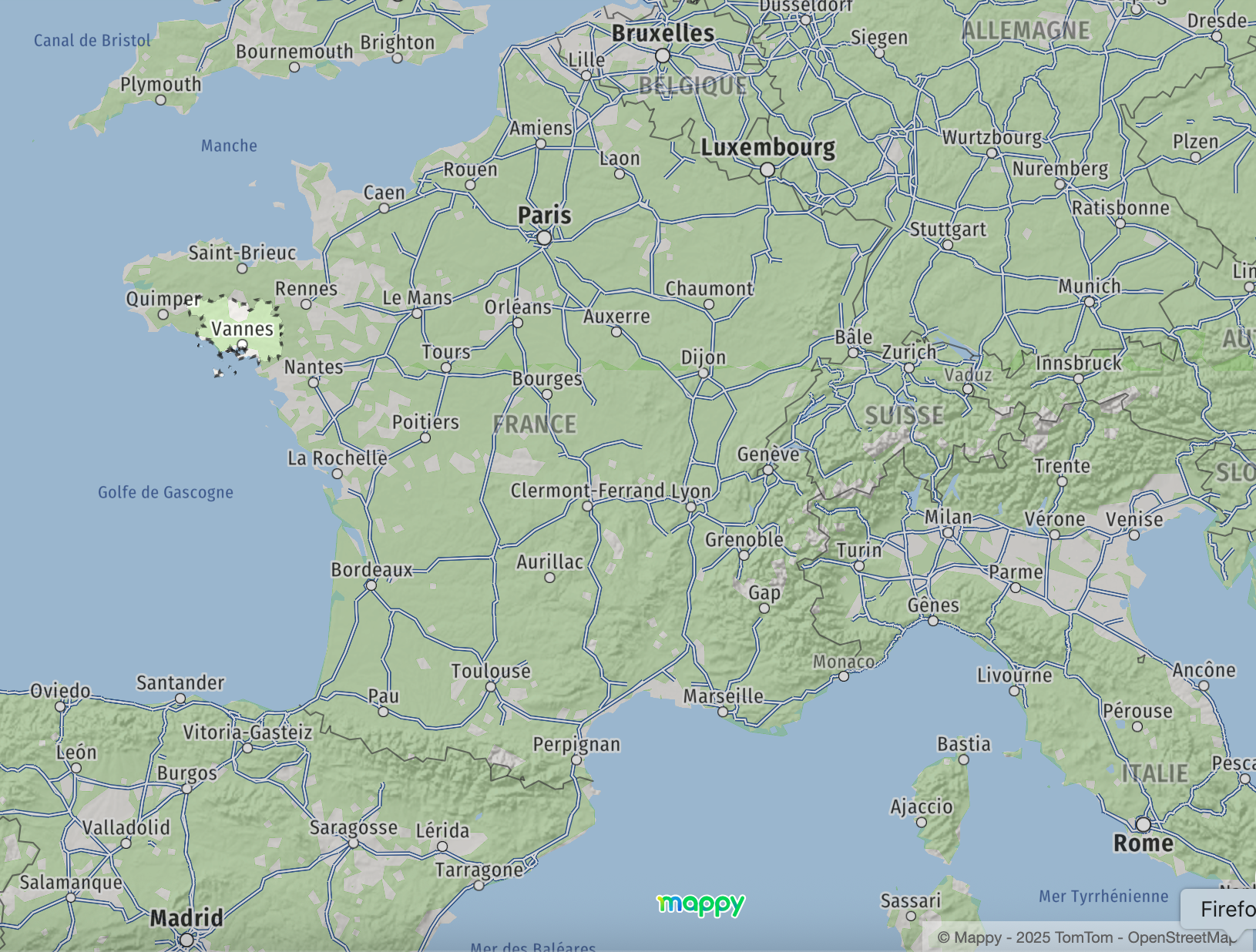
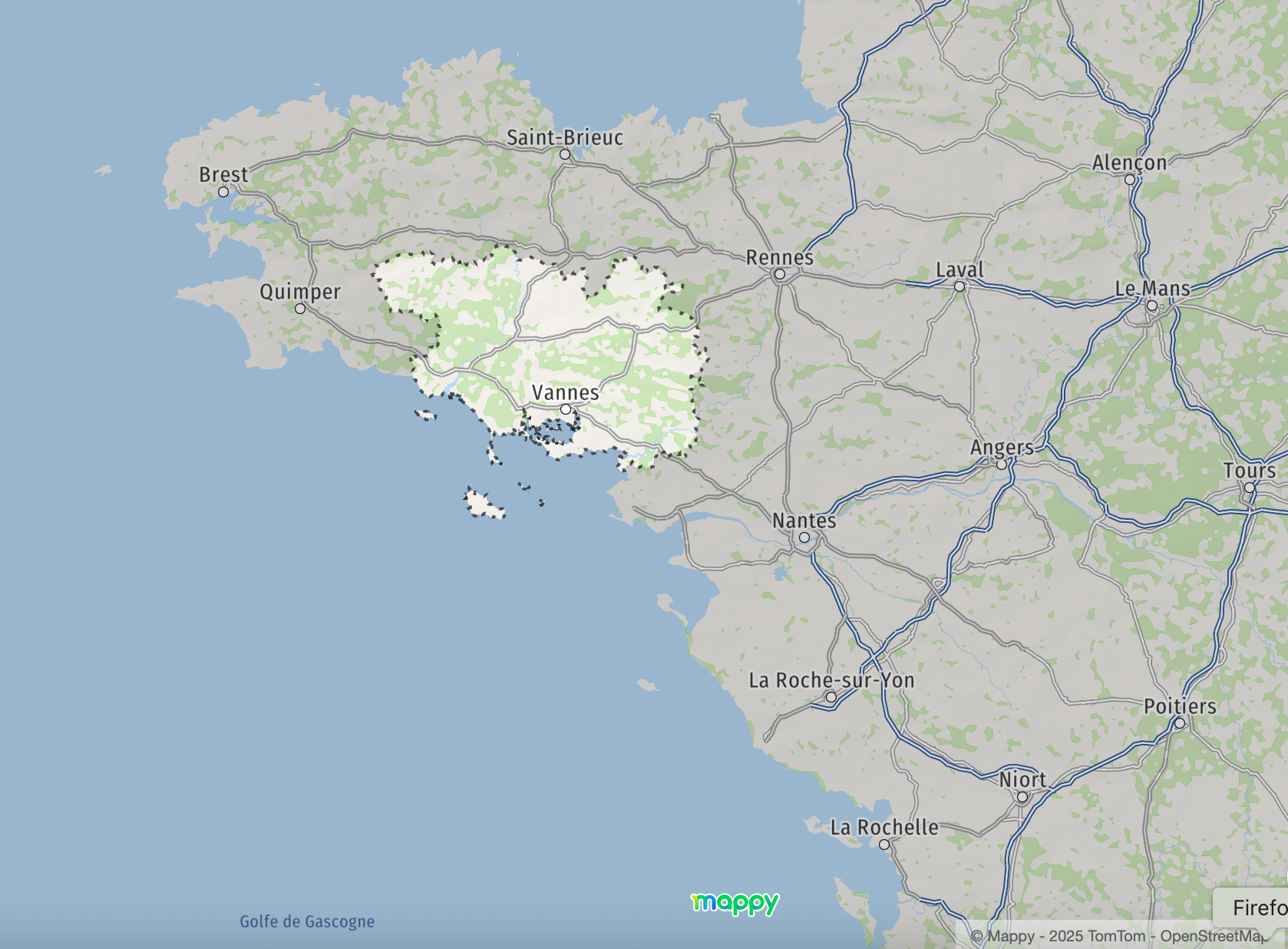
Le Morbihan est un département situé en Bretagne, une région au nord-ouest de la France.
translation:
Morbihan is a department located in Brittany, a region in the north-west of France.
We pronounce it mor-bi-yã
Faites connaissance avec le Morbihan :
translation:
Get to know Morbihan:
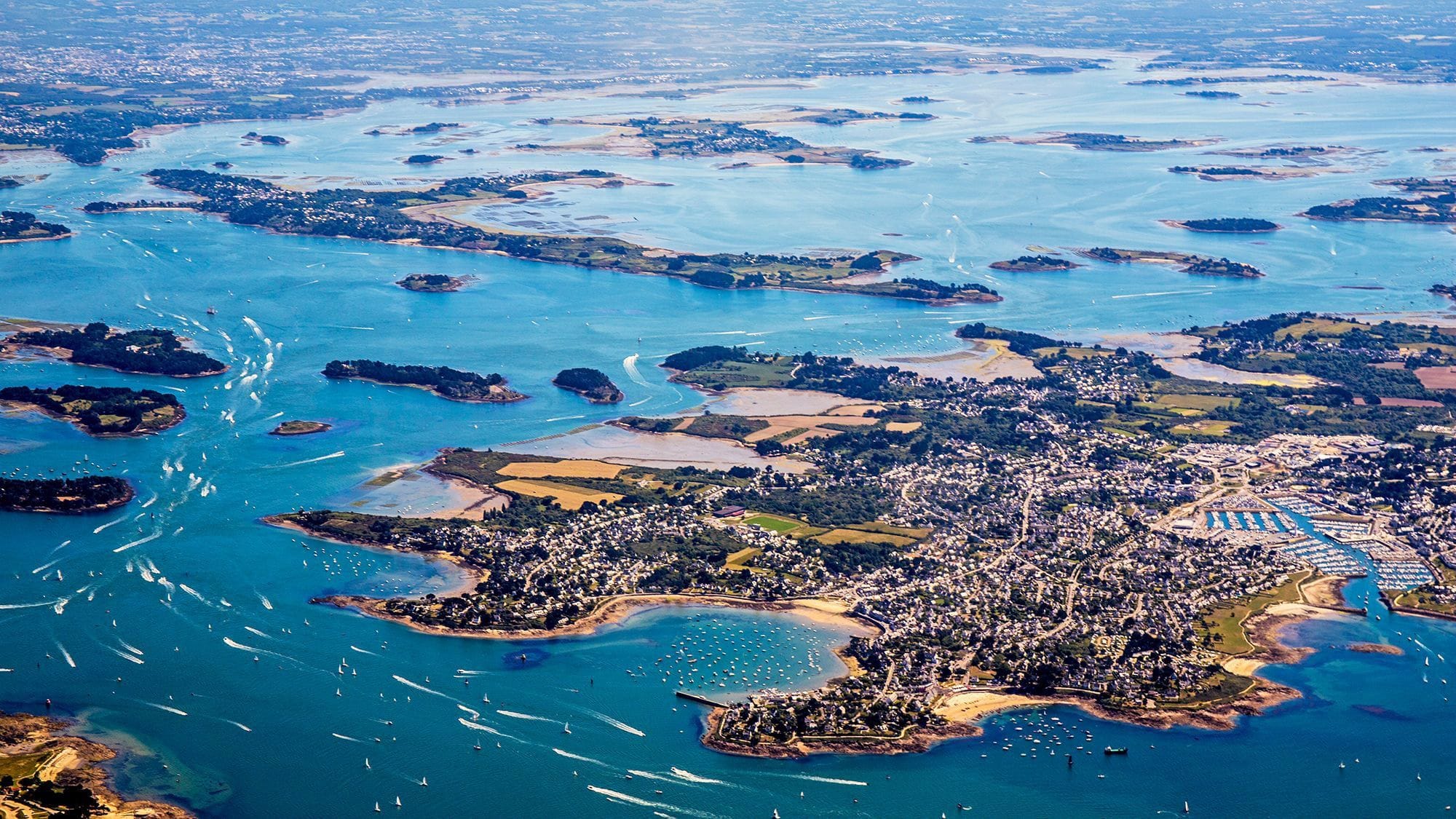
Origine du nom : Morbihan vient des mots bretons mor bihan, qui signifient petite mer — en référence au Golfe du Morbihan, une mer intérieure pittoresque parsemée d’îles.
translation:
Name origin: Morbihan comes from the Breton words "mor bihan", meaning "little sea" — referring to the Gulf of Morbihan, a picturesque inland sea dotted with islands.
- Numéro de Département: 56
- Préfecture (capitale): Vannes
De nombreux noms de lieux sont bretons, et la langue bretonne est encore enseignée et parlée par certains habitants.
translation:
Many place names are Breton, and the Breton language is still taught and spoken by some locals.
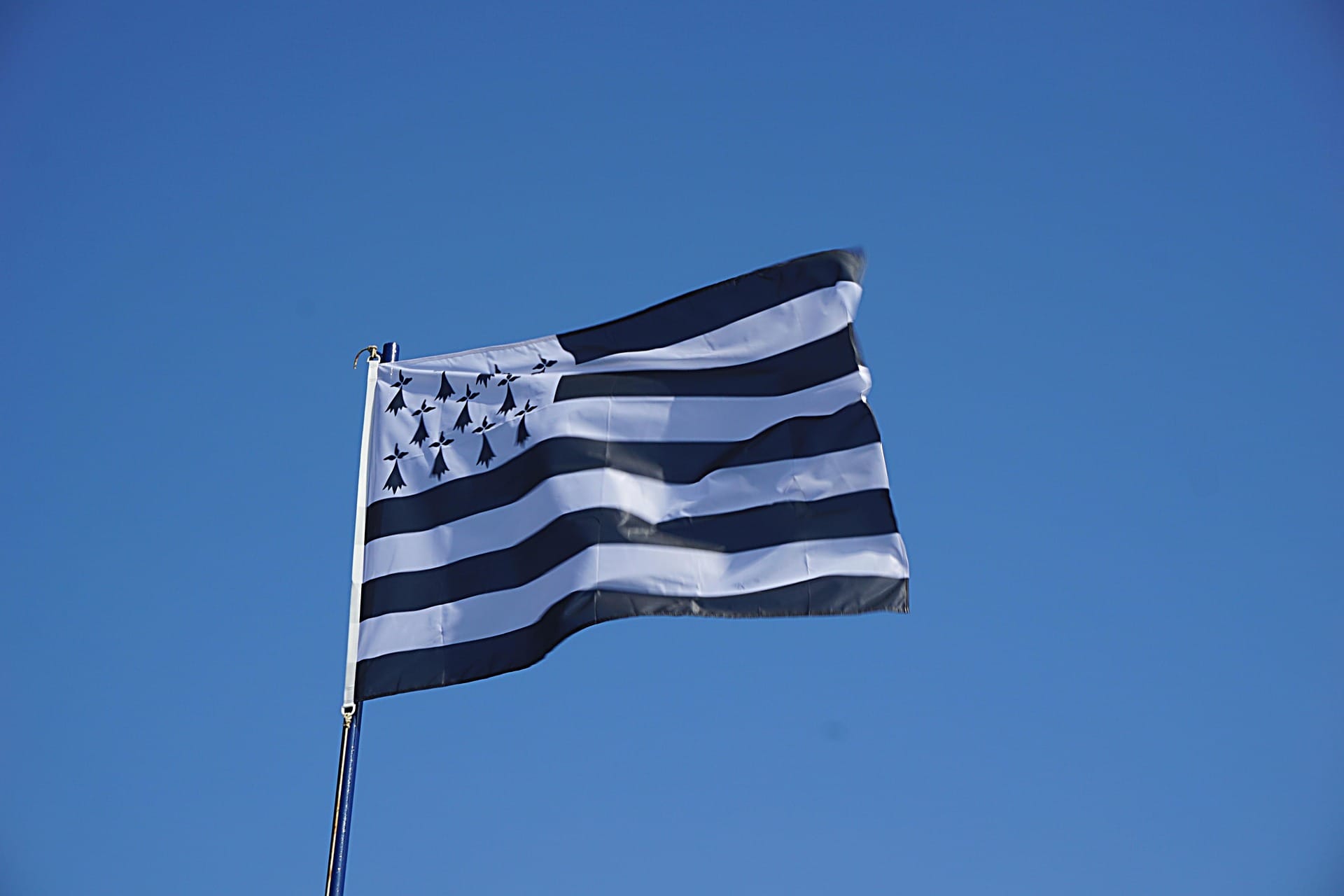
La Bretagne, et en particulier le Morbihan, partage des racines linguistiques et culturelles avec la Grande-Bretagne celtique.
translation:
Brittany, especially Morbihan, shares linguistic and cultural roots with Celtic Britain.
Le breton, langue régionale, est étroitement lié au cornique et au gallois. Toutes trois descendent des langues celtiques insulaires, apportées en Armorique (la Bretagne actuelle) par des migrants venus de Grande-Bretagne au début du Moyen Âge.
translation:
Breton, the regional language, is closely related to Cornish and Welsh. All three descend from Insular Celtic languages brought to Armorica (modern Brittany) by migrants from Britain during the early Middle Ages.

Ces migrations ont eu lieu après la chute de l’Empire romain d’Occident, lorsque de nombreux Bretons ont fui les invasions anglo-saxonnes.
translation:
These migrations happened after the fall of the Western Roman Empire, when many Britons fled Anglo-Saxon invasions.
Des sites comme Carnac, avec ses milliers de menhirs préhistoriques, présentent des similitudes frappantes avec Stonehenge et d’autres sites néolithiques britanniques.
translation:
Sites like Carnac, with thousands of prehistoric standing stones, bear striking similarities to Stonehenge and other Neolithic British sites.

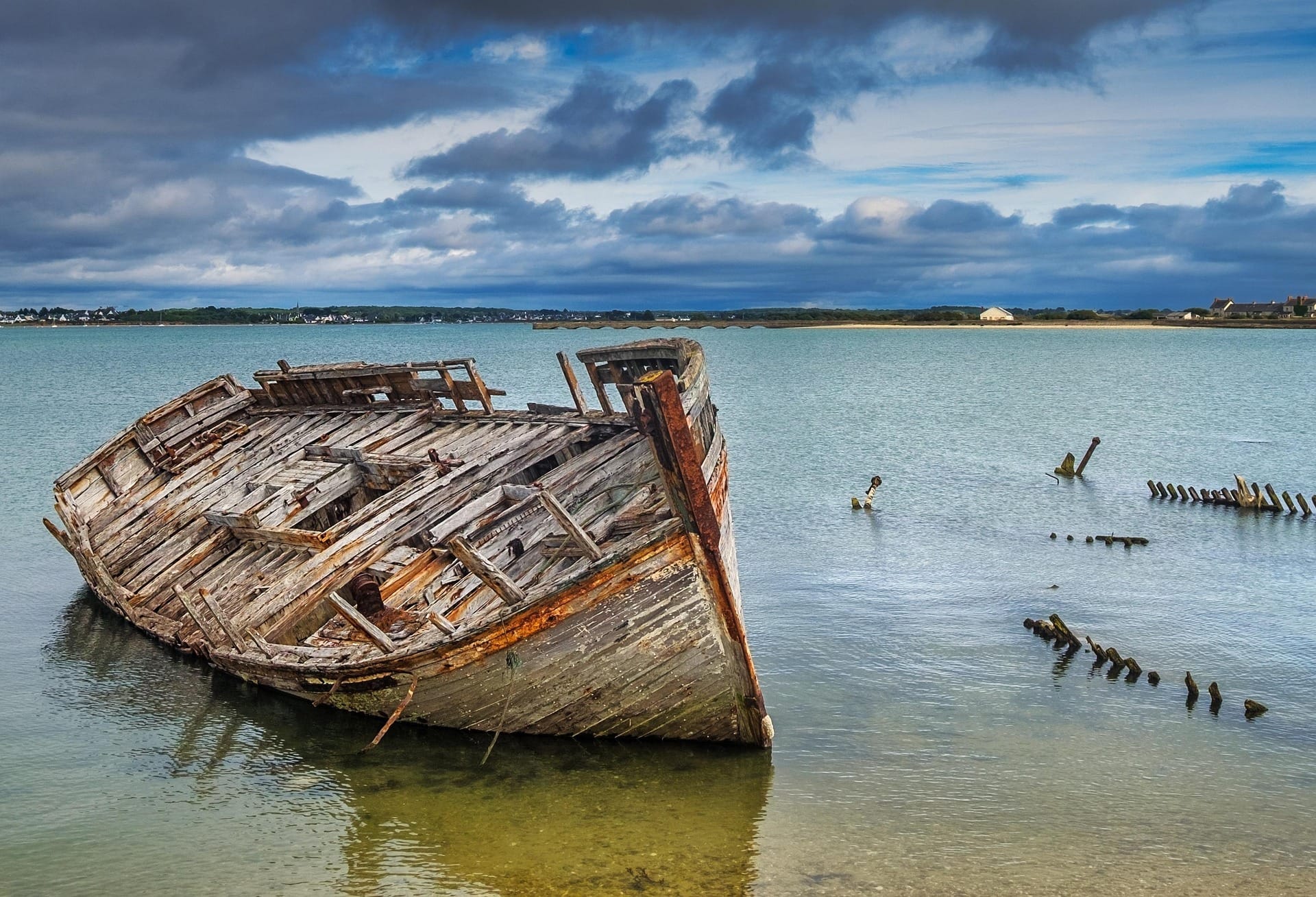
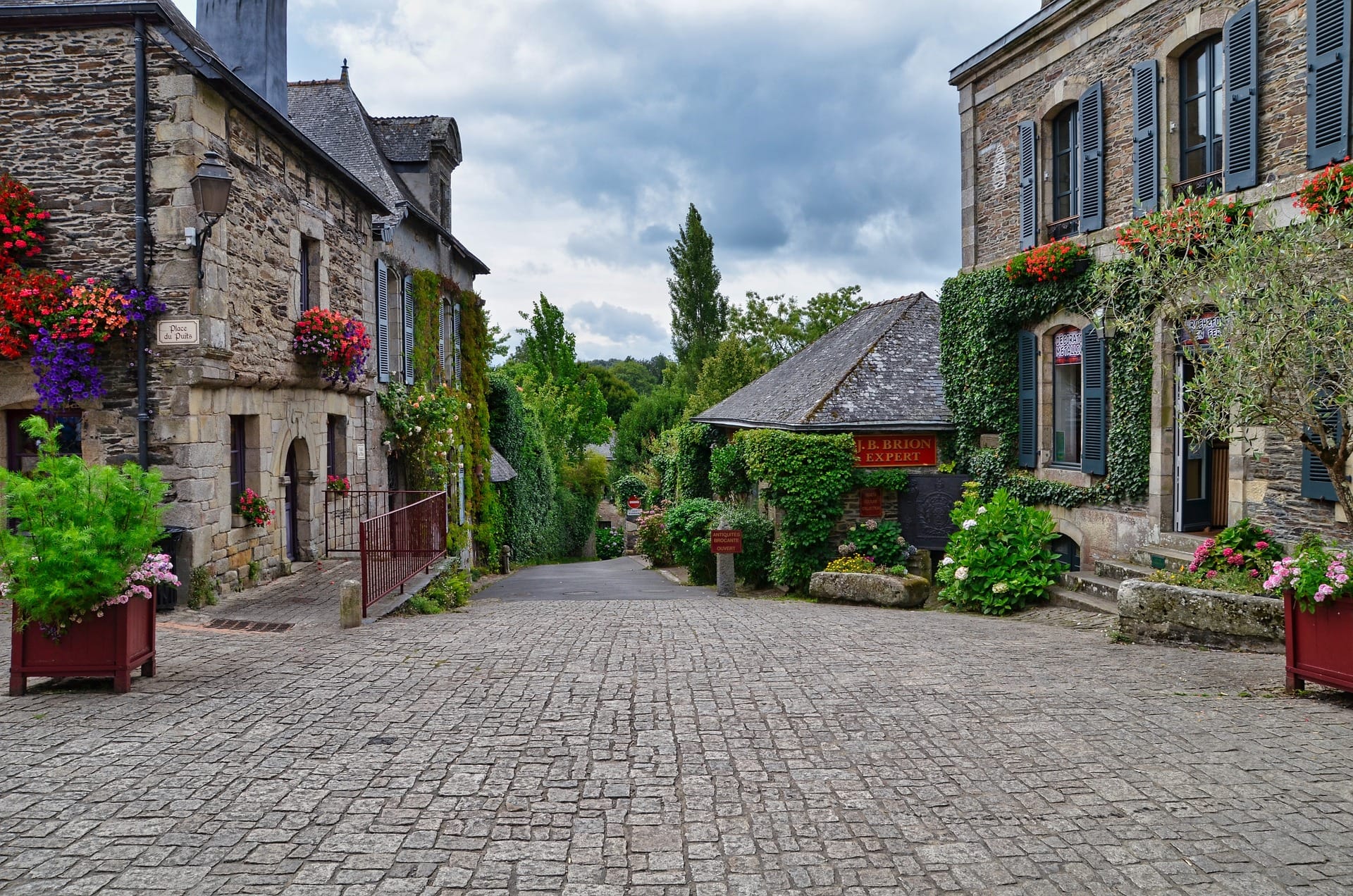
Tourisme: Le Morbihan est réputé pour sa beauté naturelle (littoraux, îles...) et ses villages pittoresques.
translation:
Tourism: Morbihan is renowned for its natural beauty (coastlines, islands...) and its picturesque villages.


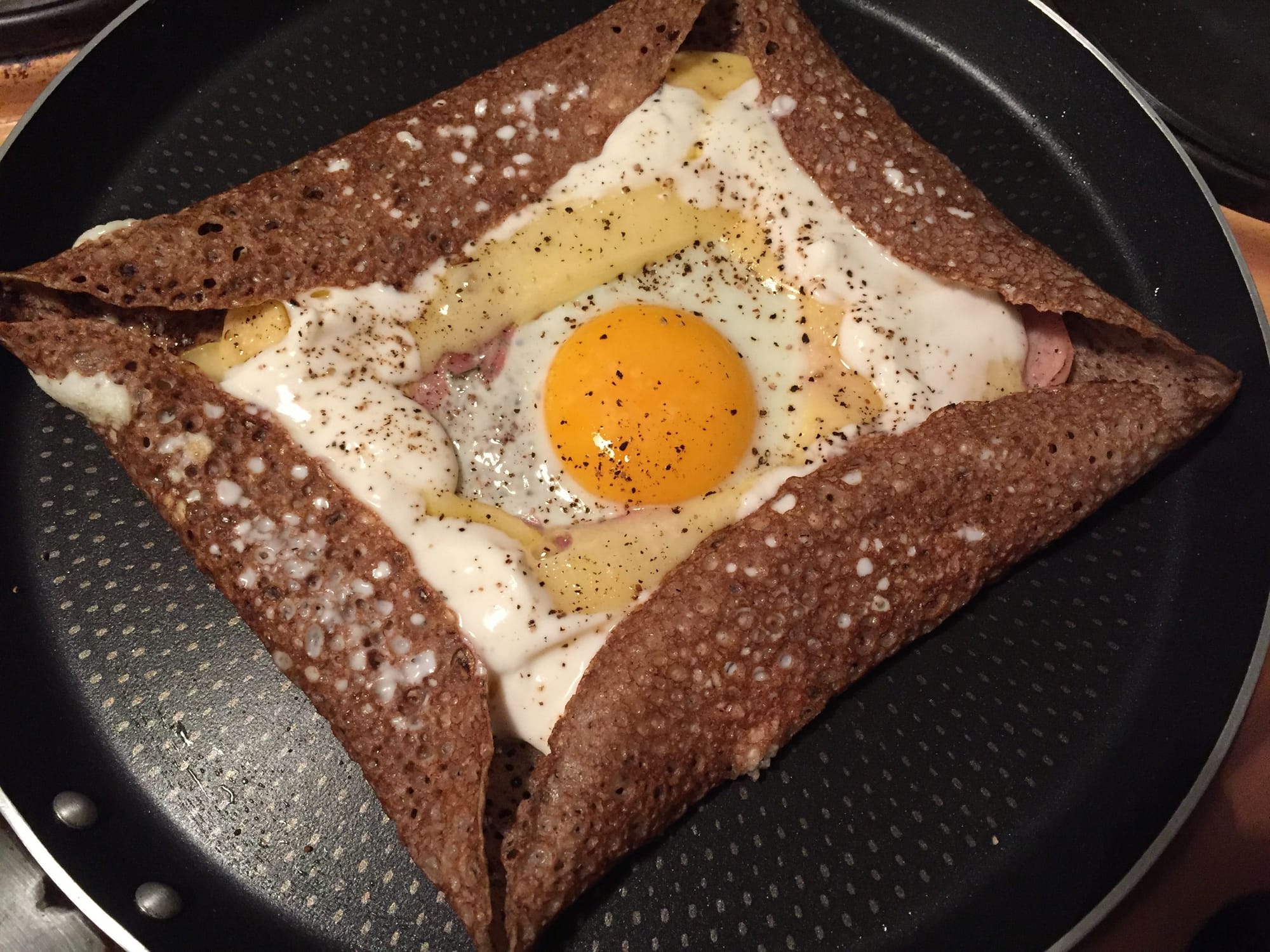
Gastronomie: Le Morbihan possède de fortes traditions culinaires : fruits de mer, galettes (crêpes de sarrasin), et cidre.
translation:
Gastronomy: Strong culinary traditions, including seafood, galettes (buckwheat crêpes), and cider.
"Le Morbihan possède" = "The Morbihan possesses/has", but in English it's more natural to start directly with "Strong culinary traditions..."

Culture: Un riche héritage de traditions bretonnes : musique, festivals, architecture.
translation:
Culture: a rich heritage of Breton traditions — music, festivals, and architecture.

Les troupes américaines ont participé à la libération de villes comme Vannes et Lorient.
translation:
American troops helped liberate towns like Vannes and Lorient.
Certains soldats américains sont enterrés au cimetière américain de Bretagne (situé dans le Finistère voisin, mais toute la région se souvient du rôle joué par les États-Unis).
translation:
Some American soldiers are buried in the Brittany American Cemetery (in nearby Finistère, but the whole region remembers the US role).
Direct translation of the parenthesis: located in the "neighbour" (nearby) Finistère, but all the region remembers the role played by the United States.
On trouve des monuments et plaques en l’honneur des forces américaines, notamment près des anciennes bases sous-marines allemandes (par exemple à Lorient).
translation:
You’ll find monuments and plaques honouring US forces, notably near former German submarine bases (e.g., Lorient).
Note: "on" can be used for "we" and for the general "you".

Jumelages franco-américains : certaines villes du Morbihan sont jumelées avec des villes américaines — une forme de diplomatie culturelle née après la guerre.
translation:
US–French twinning: Some towns in Morbihan have twinning relationships with American towns — part of post-war cultural diplomacy.
Des commandos britanniques ont également opéré en Bretagne, y compris dans le Morbihan, pour soutenir la Résistance française.
translation:
British commandos also operated in Brittany, including Morbihan, supporting the French Resistance.
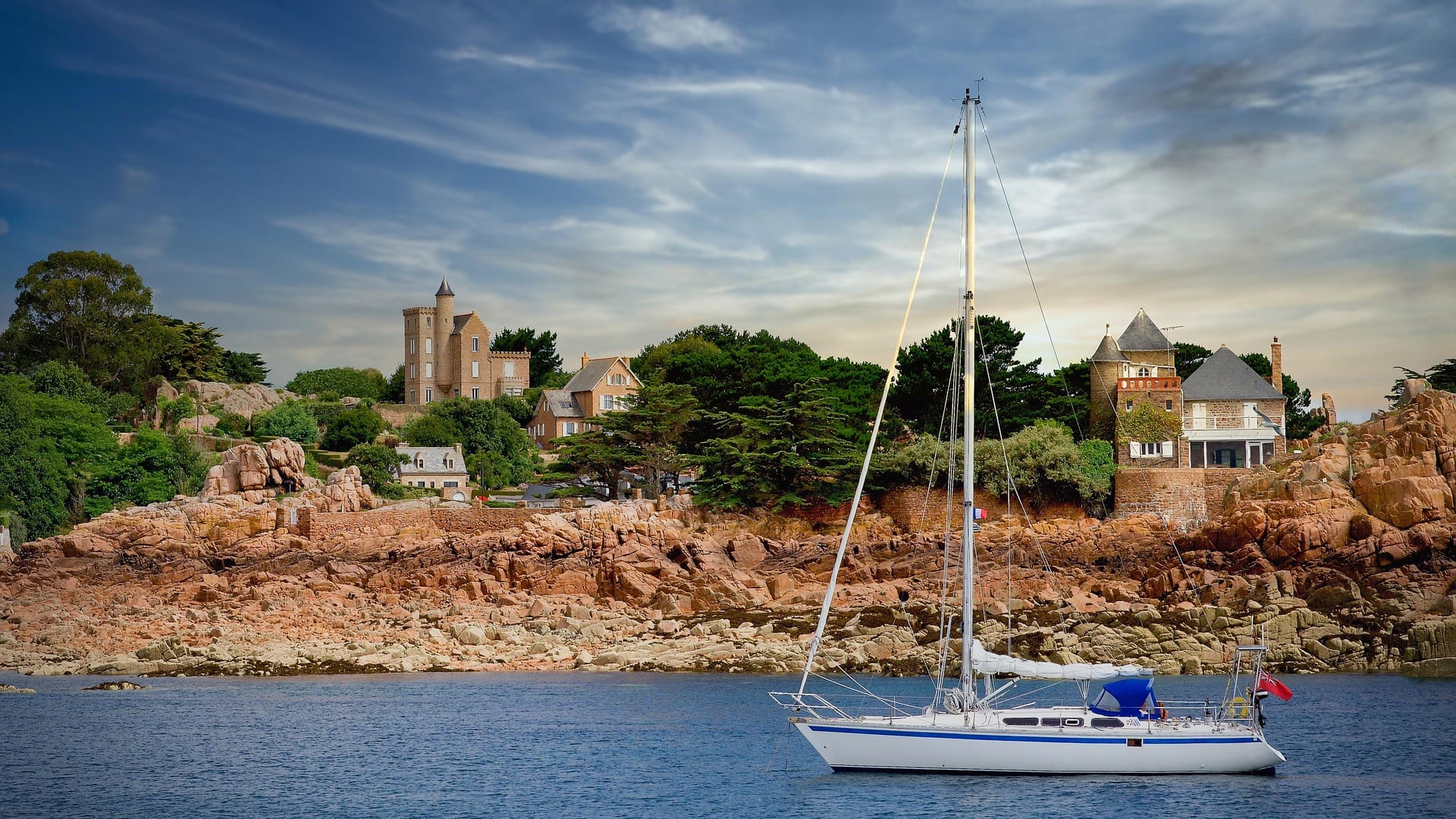
Voile et culture maritime: Le Golfe du Morbihan accueille des événements nautiques internationaux (comme la Semaine du Golfe) qui attirent souvent des équipages et touristes du monde entier.
translation:
Sailing and maritime culture: The Gulf of Morbihan hosts international sailing events (e.g., Semaine du Golfe) that often attract international crews and tourists.
Now you have a few stories and mental images when you hear the word Morbihan!
